
Apartment Mold Testing in Keller, TX
Apartment mold testing in Keller, TX answers a narrow question: is there hidden moisture or mold growth in this unit, and where is it coming from? Mold Test DFW works for tenants, landlords and property managers, and we only assess. We do not sell or perform cleanup.
Apartments share walls, ceilings, plumbing and sometimes ductwork, so a leak in one unit can show up as a stain or a smell in another. An apartment mold testing visit starts with questions and moisture readings, adds air or surface samples only where they will answer something, and ends with results from an independent laboratory.
Testing a house instead of an apartment? See our Keller mold testing page.
Why Apartment Mold Testing Matters in Keller, TX
Mold spores are always in the air, indoors and out. They only become a problem when they land on something that stays damp, such as drywall behind a leaking supply line, carpet pad near a sliding door, or the back of a cabinet under a sink. The EPA puts it simply: control the moisture and you control mold growth.
Apartments add a few complications. Units are stacked and side by side, plumbing runs through shared walls, and residents usually cannot see into the attic, the wall cavity or the unit next door. A musty smell may start somewhere you have no access to. Apartment mold testing gives the resident and the owner the same readings and lab results to work from.
Keller began in 1881 as a railroad stop named Athol, later took the name of railroad foreman John C. Keller, and incorporated on November 16, 1955. The city covers about 18.4 square miles of Tarrant County and grew from 827 residents in 1960 to 45,776 at the 2020 census.
Through-the-Wall AC Units
Some apartments, in Keller and elsewhere, use a self-contained heating and cooling unit set into a sleeve in the exterior wall, often called a PTAC. When it cools, it pulls water out of the air, and that water has to go somewhere.
Where the water goes
Depending on the model, condensate leaves through the sleeve or a drain line. If the sleeve tips toward the room or the drain clogs, water can run into the wall below.
Signs below the unit
Bubbling paint, a swollen baseboard, a damp carpet edge, or a musty smell each time the unit runs are the clues to look for, usually right under the sleeve.
Filters and coils
A clogged filter or a dirty coil makes the unit work harder and can change how it drains. Residents can usually clean the filter; coils and drains are for maintenance.
Report a leaking wall unit to management or maintenance rather than opening it yourself. If water has already reached the wall or carpet, apartment mold testing can show how far it spread.
Signs Worth Checking in Your Unit
Growth is often out of sight, behind baseboards, under flooring or inside a wall shared with the next unit. These are the clues that usually lead to apartment mold testing.
A Musty Smell
A damp, earthy odor that comes back after cleaning and airing out the room is one of the most common reasons people book apartment mold testing. It often points to moisture inside a cabinet, a closet wall or the floor near a bathroom.
Spots or Discoloration
Growth can look black, green, gray, white or brown, and it often starts as small spots or streaks along baseboards, window frames, closet corners or the caulk line of a tub. A small patch can be the visible edge of a larger damp area.
Water Damage
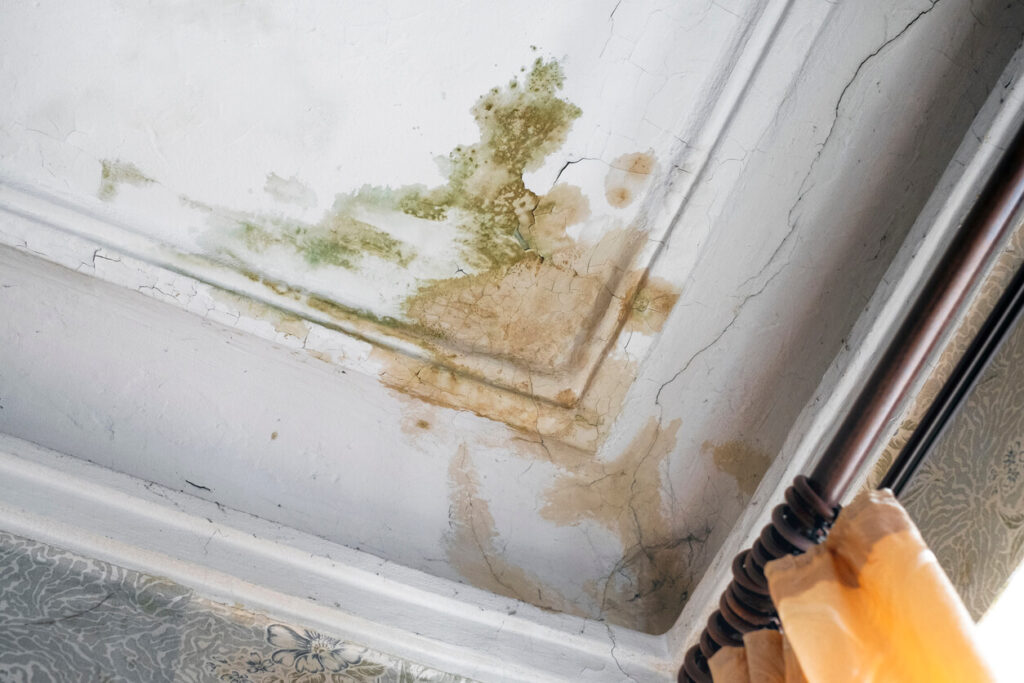
Yellow or brown rings on the ceiling, bubbling paint, a baseboard that has swelled, or flooring that feels soft all suggest water reached the building materials. In an apartment, the source may be inside your unit or in the one above it.
Condensation
Water beading on windows, a bathroom mirror that stays fogged, or damp walls inside a closet can mean the air in the unit holds more moisture than it should. Showers, cooking and drying clothes inside all add to it in a small space.
Feeling Better Away
Some people notice sneezing, coughing or itchy eyes that ease when they are away from home. We are not medical providers, so please talk with your doctor about symptoms. The CDC explains how mold can affect health.
Where We Look First in a Keller Apartment
Moisture collects where water is used and air does not move much. During apartment mold testing in Keller, TX, we start with the bathroom, the kitchen sink cabinet, the water heater and AC closet, the washer connections, the window sills, and any wall shared with a neighbor’s bathroom or kitchen. Then we take readings in the rooms around whatever we find.
Top Floor, Middle Floor, Ground Floor
Where a Keller apartment sits in the building changes where its water usually comes from. Apartment mold testing starts with the likely sources for that position, then follows the readings.
What to watch on each level
Top floor. Roof leaks, attic condensation and AC equipment above the ceiling. Look for stains near exterior walls and around ceiling vents.
Middle floors. The unit above: tubs, toilets, washers and water heaters. A stain under a neighbor’s bathroom is worth reporting quickly.
Ground floor. Slab moisture, sprinklers and patio drainage. Watch the carpet edge by sliding doors and baseboards on exterior walls.
How an Apartment Mold Testing Visit Works
Every apartment mold testing visit in Keller follows the same order, so results are easy to compare from one unit to the next. Our certified industrial hygienists and certified inspectors conduct each assessment, following the same structured process in every unit. Ask us for our mold assessment license number before we arrive and confirm it on the TDLR website.
Questions First
We start by asking what you have noticed and when: leaks, a smell, a stain, recent repairs, or an overflow next door. Then we walk the unit looking for staining, swelling, condensation and visible growth.
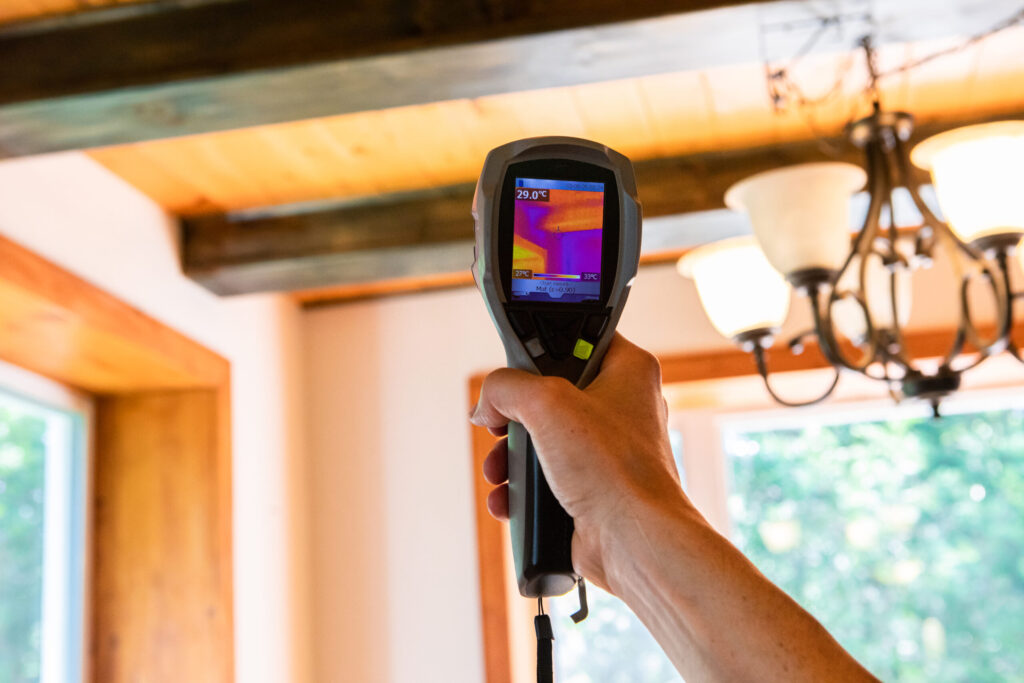
Moisture Readings
Moisture meters show which walls, floors and cabinets are wetter than they should be, including spots that look dry. Those readings decide where samples are worth taking, so nothing gets sampled at random.
Air Samples
When a smell or symptoms are the main concern, we collect indoor air samples and an outdoor sample on the same visit. The EPA has no federal limits for indoor mold, so that comparison matters.
Surface Samples
Where growth is visible, a tape lift or swab lets the laboratory identify what is there. Surface samples answer a different question than air samples, and some visits need both while others need neither.
Independent Lab
Samples are sealed, labeled and sent to an independent laboratory. The lab has no connection to any cleanup company, and its results go into your report exactly as they come back to us.
Written Report
The report lists each reading and sample location, the lab results, the likely moisture source and next steps. You decide who gets a copy, whether that is your landlord, your property manager or a contractor.
When Apartment Mold Testing Makes Sense in Keller
Not every spot needs a lab. Apartment mold testing usually earns its cost in these situations.
A Smell That Returns
The unit still smells musty after cleaning, airing it out and running the AC for several days in a row.
A Leak From Next Door
Water came through a ceiling or shared wall from another unit, and you want to know how far it spread.
Growth That Comes Back
Spots return in the same place after cleaning, which usually means the moisture source is still active.
Move-In or Move-Out
A resident, owner or manager wants a dated record of the unit’s condition at the start or the end of a lease term.
Symptoms at Home
Someone feels better away from the unit. Testing can check the space, and your doctor can look into the symptoms.
Between Residents: A Turnover Check
For property managers in Keller, the days between one lease and the next are the easiest time to look inside cabinets and around fixtures. A quick moisture check in three places catches many slow leaks long before apartment mold testing is needed.
Under the sinks
Look at the cabinet floor for swelling or rings, feel the supply lines and trap, and check the back wall where pipes enter.
Toilet and tub
Press the floor at the toilet base for softness or staining, and check the caulk where the tub or shower meets the floor.
Windows and doors
Look for dark sills, peeling paint below windows, and damp carpet or swollen trim where a sliding door meets the floor.
Note any damp reading with the date and unit number. If a reading stays high or a smell lingers, apartment mold testing before move-in gives the owner and the next resident the same record.
After the Results Come Back
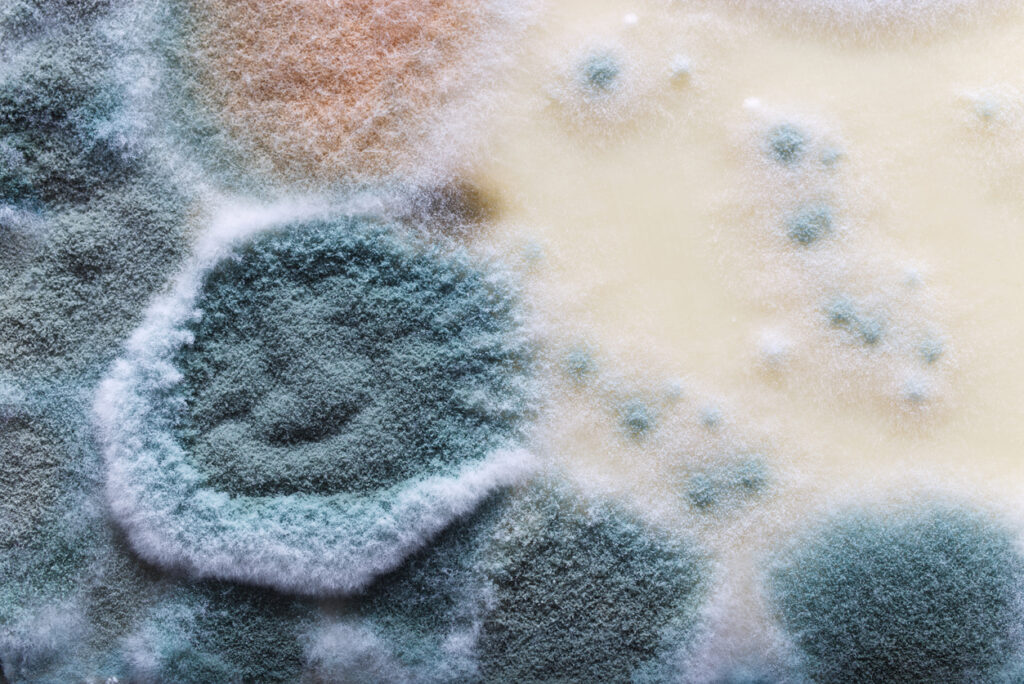
If apartment mold testing in a Keller unit finds elevated mold or active moisture, the first job is stopping the water. A plumber, roofer or HVAC technician fixes the source, and damaged materials are dried, cleaned or replaced depending on what they are and how wet they got.
Mold Test DFW does not do that work. Under Texas Occupations Code Chapter 1958, a license holder may not assess and remediate the same project. When the affected area reaches 25 contiguous square feet, Texas mold rules generally call for a licensed assessor to write a protocol and a licensed remediation contractor to carry it out. The TDLR mold program explains the details.
Once that work is finished, a post-remediation assessment checks the area against the clearance criteria in the protocol, so the company that did the cleanup is not grading its own work.
Repairs, Notice and the Texas Property Code
Texas does not have a statute written specifically about mold in rentals. For Keller renters and landlords alike, repairs are covered more generally by Chapter 92 of the Texas Property Code, which requires a landlord to make a diligent effort to repair a condition that materially affects the physical health or safety of an ordinary tenant, once the tenant gives notice and is current on rent. The code sets a rebuttable presumption that seven days is a reasonable time to repair.
- Put notice in writing, which many leases require, and keep a copy.
- Report leaks and water damage promptly, before they spread.
- Use the bath fan and the AC, and keep the unit reasonably dry.
- Keep photos, dates and any apartment mold testing report with your records.
We are not attorneys, and this is general information rather than legal advice. For questions about your lease or your rights, talk with a Texas attorney or a resource such as TexasLawHelp.org.
Why an Independent Assessor for Apartment Mold Testing
When a leak involves more than one unit in a Keller complex, residents, owners, managers and insurers may all have a stake in the answer. An assessor handling apartment mold testing with no cleanup work to sell keeps the findings about the building, not about a bid.
- We assess only and never quote remediation.
- Every sample goes to an independent laboratory.
- Reports tie each reading and sample to a spot in the unit.
- We work for tenants, landlords and property managers, and you choose who receives the report.
Schedule Apartment Mold Testing in Keller, TX
Send us the address and unit number, what you are noticing, and whether there has been a recent leak, and we will set up apartment mold testing for the unit. If a neighboring unit may be involved, mention it so access can be arranged with management.
Mold Test DFW provides apartment mold testing in Keller, TX and across the Dallas and Fort Worth area with no remediation work attached, so the report can go to anyone you choose.
Keller Apartment Mold Testing Questions
Can you test the unit next to mine or above mine?
Only with access arranged by that resident or by management. We can do apartment mold testing in your unit and note where moisture seems to be coming from, which helps management decide whether the neighboring unit needs a look too.
Can a property manager book several units in one visit?
Yes. For apartment mold testing across several units, send the unit numbers and what has been reported in each, and we will plan the order and the samples ahead of time. Each unit gets its own readings and results so the records stay separate.
Can mold travel between apartments through the vents?
In many apartments each unit has its own heating and cooling system, so air is not shared through the ducts. Odors and moisture can still move through gaps around pipes, wiring and shared walls, which is why we take readings near those spots.
Does renters insurance cover mold?
It depends on the policy and on what caused the damage. Many policies treat sudden water damage differently from long-term leaks or mold. We are not insurance adjusters, so read your policy and ask your agent; a dated test report can help that conversation.
How long does an apartment visit take?
An apartment mold testing visit usually takes less time than a full house, because there are fewer rooms to check. The exact time depends on the size of the unit and how many samples the readings call for, and we will give you an estimate when we book your Keller visit.