
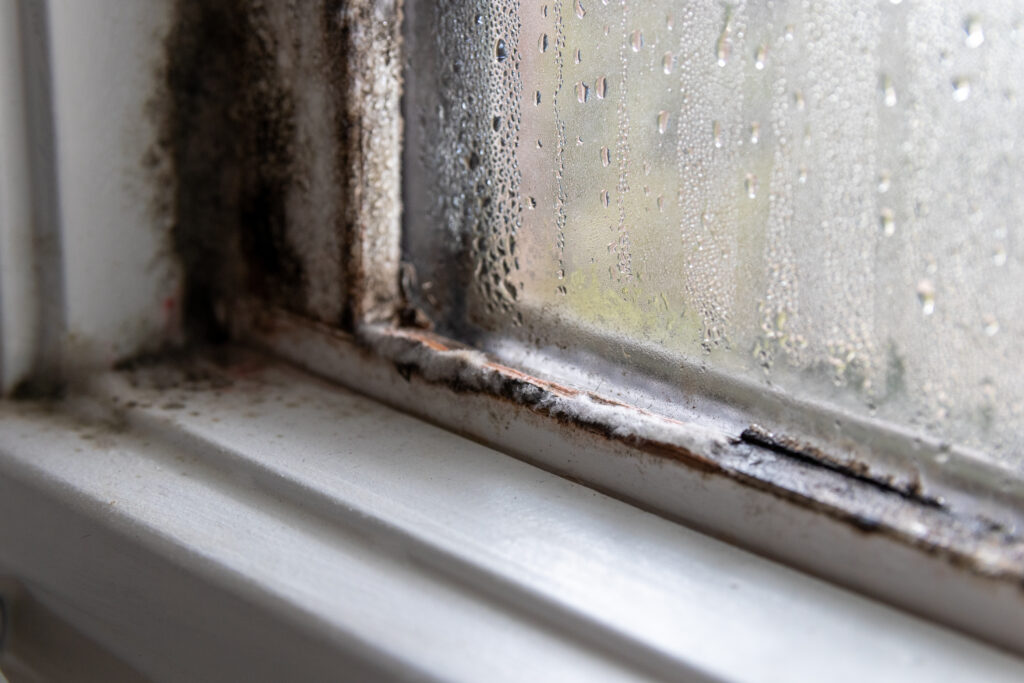
You finally found it. The right neighborhood, the right layout, the right price. Then, somewhere between the kitchen and the hall bathroom, you catch a faint musty smell. Or you notice a patch of ceiling that looks freshly painted while the rest of the room doesn’t. Suddenly you’re wondering what you can’t see behind those walls, and whether you’re about to buy someone else’s water problem. A new home mold inspection is how you answer that before it becomes yours.
Here’s the direct answer: if you’re under contract on a house in Tarrant County, schedule a professional mold assessment during your option period, alongside your general home inspection. A standard inspection can flag stains and suspected leaks, but it doesn’t test the air or surfaces for mold. A new home mold inspection is what gives you a clear, lab-verified picture of the property while you can still walk away.
Mold Test DFW performs mold inspections and testing across Fort Worth, Keller, and the greater Dallas-Fort Worth area, and pre purchase mold testing for real estate transactions is one of the most common reasons buyers call. If you’re mid-contract and the clock is ticking, reach out to the team or call 682-688-5923 to talk through your timeline. It’s a quick conversation, and it costs nothing to ask. Most callers want the same thing: a new home mold inspection that fits inside a closing timeline.
Most Texas residential purchases use a contract promulgated by the Texas Real Estate Commission, and that contract lets the buyer negotiate an option period. In exchange for a fee paid to the seller, you get an unrestricted right to terminate the contract for a set number of days, often somewhere in the range of seven to ten, though the length and fee are whatever you and the seller agree to. Terms vary from contract to contract, so read yours carefully and lean on your agent or an attorney for specifics rather than treating any article, this one included, as legal advice. Whatever the term, it’s the only window in which a new home mold inspection can still change your decision.
What matters for our purposes is simple: the option period is your due diligence window. It’s when inspections happen, when questions get asked, and when you still hold the leverage. Once it closes, backing out gets complicated and expensive. That’s why an option period mold check belongs on your list from day one, not as an afterthought on day six. Booking a new home mold inspection early is what keeps your options open.
This surprises a lot of buyers. Your Tarrant County home inspection is performed by a general inspector who evaluates the structure, roof, plumbing, electrical, and HVAC against a defined standard of practice. If they spot water stains or suspected fungal growth, a Tarrant County home inspection report will note it. What they typically won’t do is collect air or surface samples and send them to a laboratory, because mold assessment is a separate, specifically licensed activity in Texas. A new home mold inspection is its own appointment, not a line item on the general report.
The state regulates mold assessment and remediation through the Texas Department of Licensing and Regulation, which licenses mold assessment consultants and, importantly, separates the people who test for mold from the people paid to remove it. That separation protects you: the company assessing the house has no financial incentive to find a problem it would then profit from fixing. Mold Test DFW’s consultants are highly trained and certified and maintain their licenses through continuous education, and the company works with realtors and home inspectors on exactly this kind of new home mold inspection.
A pre purchase mold test is more than someone walking around with a flashlight. A typical Mold Test DFW inspection takes between 45 and 90 minutes for homes up to about 3,200 square feet, and it layers several methods on top of each other. Those layers are what separate a new home mold inspection from a walkthrough.
It starts with a detailed visual inspection of the usual suspects: bathrooms, the kitchen, laundry areas, closets on exterior walls, and HVAC components. Next comes moisture mapping, which uses specialized equipment to locate damp materials behind walls and under flooring, places a leak can hide for months. Then the sampling begins. Air samples measure the concentration of mold spores inside the house against an outdoor baseline, and swab or tape-lift samples identify what’s actually growing on a suspicious surface. Everything goes to a certified laboratory, and you receive a detailed, lab-backed report explaining which mold types are present, at what levels, and what that means for the home.
That report is the deliverable that changes your position as a buyer. Instead of “the closet smells weird,” you have documented data you can act on before closing. That shift is the entire return on a new home mold inspection.
Long before the inspection, your own eyes and nose can tell you which houses deserve a pre purchase mold test the moment the option period starts. Any one of them is reason enough to book a new home mold inspection.
A newly painted ceiling patch, a single repainted wall in an otherwise dated room, or heavy primer in a closet can be innocent. It can also be a cosmetic cover over a past leak. Paint hides stains; it doesn’t fix moisture, and only a new home mold inspection tells you which one you’re looking at.
That earthy, damp odor near a bathroom, under a sink, or when the air conditioner kicks on is a classic sign of hidden growth. Sellers often run candles or plug-ins during showings, so trust a smell you catch even briefly.
Texas sellers must complete a disclosure notice that asks about previous water penetration, roof repairs, and prior mold remediation. Read it line by line. A disclosed repair isn’t automatically a dealbreaker, but it’s a flashing sign that testing should verify the fix actually worked.
Timing matters here more than most buyers realize. A house you tour in October just spent five brutal months with the air conditioner running nearly nonstop. All summer, that system pulled humid North Texas air across cold coils, and any duct leak, clogged condensate drain, or oversized unit that short-cycled created condensation in the process. By fall, moisture that accumulated quietly through summer has had ample time to feed growth inside ducts, around air handlers, and in poorly ventilated corners.
The Environmental Protection Agency notes that mold needs little more than moisture and a food source to establish itself, and it can begin growing within days of water exposure. Fall is when a summer’s worth of hidden humidity problems is most likely to be detectable, which makes October one of the best months of the year for a new home mold inspection in North Texas.
A clean report is peace of mind. A problem report is power, provided it arrives while your option period is still open. With lab results in hand, you can ask the seller to hire a licensed remediation contractor and provide post-remediation verification, negotiate a price reduction or repair credit that reflects the real scope of the work, or, if the findings are severe, terminate the contract and keep your earnest money under the option terms you negotiated.
Buyers who skip testing don’t get those choices. They inherit whatever the walls are hiding, along with the repair bill. Compared to the cost of remediation, an option period mold check is one of the cheapest forms of insurance in the entire transaction. A new home mold inspection costs a small fraction of a remediation invoice.
Yes. The on-site inspection takes 45 to 90 minutes for most homes, so scheduling early in your option period leaves room for lab analysis and a follow-up conversation about the results before your deadline. A new home mold inspection fits a 7 to 10 day window comfortably when it’s booked on day one.
Not by itself. Ask for documentation, then verify with independent testing. Post-remediation sampling confirms whether spore levels inside the home have actually returned to normal, which is exactly what you want in writing before you close. A new home mold inspection is how you get it.
Not necessarily. The value of testing is information, not alarm. Many findings are moderate and fixable, and the report gives you a factual basis to negotiate repairs or credits. Severe contamination tied to long-term water intrusion is a different conversation. The point of testing is that you get to make that call with data instead of guesses, which is what a new home mold inspection buys you.
Buying a house is a leap of faith, but it doesn’t have to be a blind one. Mold Test DFW helps buyers across Tarrant County and the entire DFW metroplex walk into closing with clear eyes and lab-verified answers. A new home mold inspection is the last inexpensive decision you make before closing. If you have questions about the process, the FAQ page covers the basics, and when you’re ready to schedule, contact Mold Test DFW or call 682-688-5923. Your option period is short. Make it count.

Ryan Rainey is the owner of Mold Test DFW, a mold testing and inspection company serving homeowners, apartment residents, and commercial property owners throughout the Dallas-Fort Worth metroplex. Ryan and his inspectors identify moisture sources, assess water damage, and collect air, swab, tape lift, and bulk samples for laboratory analysis. Typical inspections run 45 to 90 minutes and end with clear recommendations for repair and prevention, whether the visit was prompted by allergy symptoms, a musty smell, or a real estate transaction. Mold Test DFW serves communities across the metroplex, from Fort Worth and Arlington to Plano, Frisco, and McKinney, and has earned a five-star rating from local customers. On the blog, Ryan shares what he sees in the field every week to help North Texans understand mold, moisture, and indoor air quality.