

Mold Testing in Eagle Ford
Lab-backed mold inspection in Eagle Ford, west of the Trinity
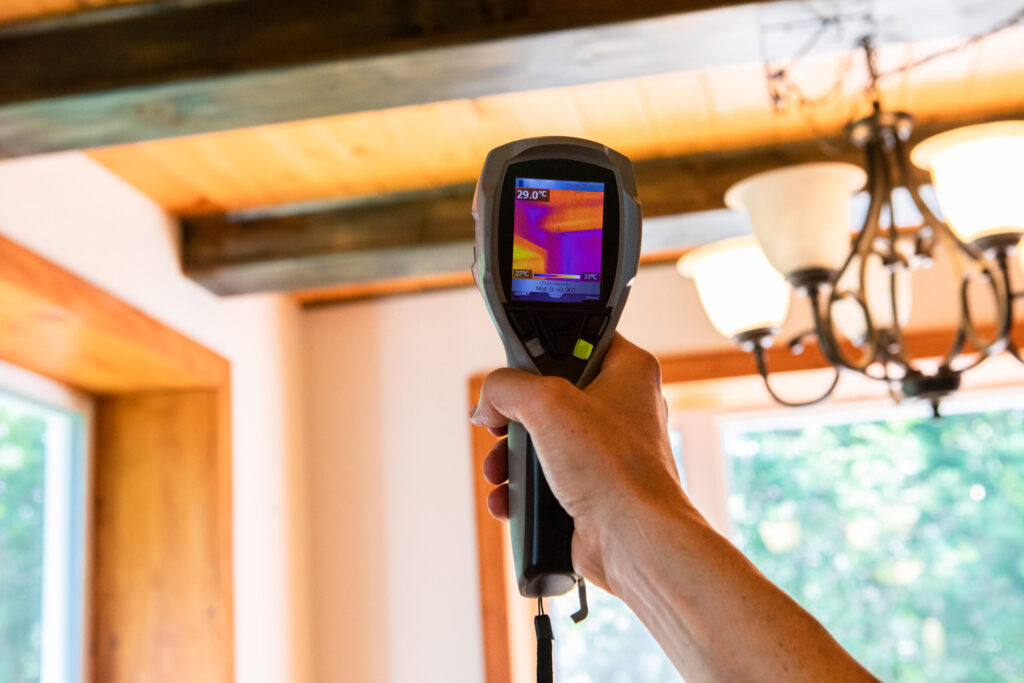
Eagle Ford sits on the west side of the Trinity River in West Dallas, and its houses deal with the same North Texas mix of muggy summers, spring storms and clay soil that swells and shrinks as the rain comes and goes. Mold Test DFW handles mold testing in Eagle Ford by finding damp materials first, sampling where the readings point, and sending every sample to an independent lab.
Put a Mold Test on the Calendar
Texas licenses mold assessors and mold remediators separately, and the law does not let one license holder do both on the same project (Texas Occupations Code Chapter 1958). In Eagle Ford and everywhere else we work, we stay on the testing side of that line. Tell us which room worries you, what changed recently, and whether any repairs have already been made, and we will suggest a sampling plan before anyone comes out.
100% Privacy Guarantee
Three Questions a Test Answers
Is something growing? What is it? How far has the moisture traveled? Mold testing answers all three before any drywall comes down, which is the cheapest moment to learn them. The EPA points out that there are no federal limits for mold in indoor air, so we compare each room with an outdoor sample taken the same day rather than holding it to a single pass or fail number.
After Foundation Repair, Check the Pipes
Clay soil around Eagle Ford and the rest of Dallas swells after heavy rain and shrinks in a dry summer, and leveling a house after that movement is common work. The lift fixes the floors, but pipes and seals that moved with the house can open up. These are the places a new leak tends to show up in the weeks that follow.
UNDER THE SLAB
Drain lines
Drain pipes run through the soil beneath the slab. If one cracks or separates during a lift, the leak stays out of sight and soaks the ground under the floor.
Clue: A damp or musty strip along a baseboard, or a drain that suddenly runs slow.
INSIDE THE WALLS
Supply lines
Pressurized water lines pass through the framing on their way to each fixture. When walls shift, a fitting can loosen and drip into the cavity for weeks.
Clue: A water bill that climbs for no clear reason, or soft drywall near a sink.
THE OPENINGS
Window and door frames
Movement can pull caulk away from window frames and exterior door frames, which gives rain a new way into the wall below.
Clue: A water line on a sill after a storm, or a gap where you can see daylight.
Before the crew leaves, ask your foundation contractor whether a plumbing test is recommended after the lift, and write down the date the work finished. If a musty smell shows up later in your Eagle Ford home, that date helps us decide where to sample.
How Mold Testing in Eagle Ford Is Put Together
Each visit is built from three pieces of evidence, and the mix depends on the problem:
- Moisture readings show which materials are damp right now, even behind fresh paint.
- Air samples, one set indoors and one outdoors, show whether spore levels or types differ inside the house.
- Swab or tape samples from a visible spot let the lab name what is growing there.
A Mold Testing Company in Eagle Ford That Never Bids the Cleanup
- We test and report. We do not sell remediation, so nothing in the findings nudges you toward a bigger job.
- An independent laboratory analyzes every sample we collect.
- Your written report lists each sample location, what the lab found, and the next step that fits each result.
Our mold testing services in Eagle Ford cover houses, townhomes and rental properties, and every visit follows the same lab process.
Signals That Point to Hidden Moisture
Mold testing is worth booking when you notice:
- An earthy, musty smell that is strongest when you walk in after a day away.
- Paint that bubbles or peels on one wall while the rest of the room looks fine.
- Baseboards that have swollen, softened or pulled away at the bottom edge.
- Water that pooled indoors after a storm, a backed-up drain or an appliance leak, even if you mopped it up quickly.
- Stuffiness, coughing or headaches that ease when you leave home. We are not medical providers, so please talk with your doctor too; the CDC has a plain overview of mold and health.
Your Appointment, in Order
Mold inspection in Eagle Ford runs in five steps:
- Questions first: you tell us what you noticed and roughly when it started.
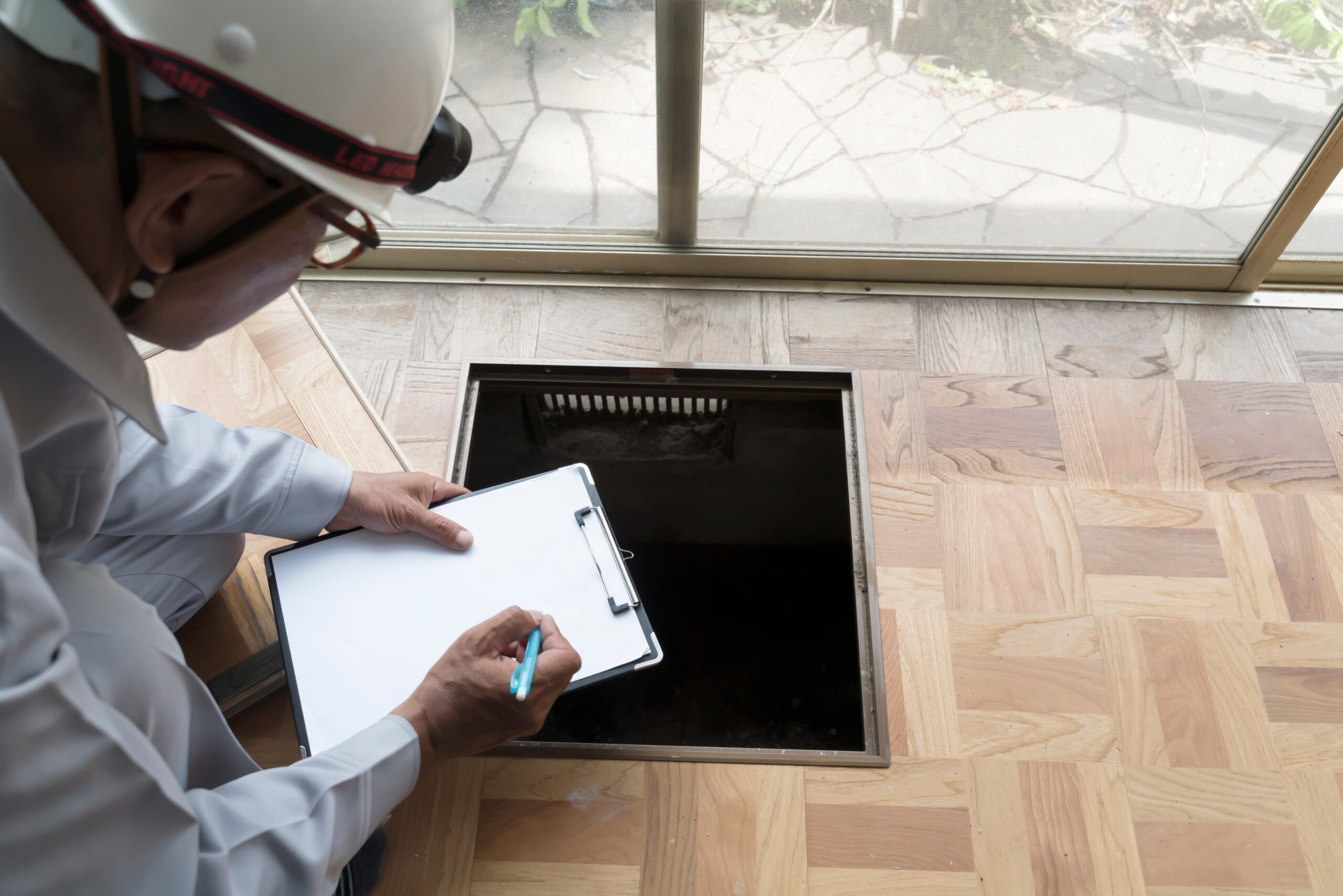
- Readings: meters check the walls, floors and ceilings around the concern and in the rooms beside it.
- Samples: air, surface or both, chosen from what the readings show.
- Lab: each sample is sealed, labeled and sent to an independent laboratory.
- Results: you receive a written report, and we walk you through it.
Other Areas We Serve
Besides Eagle Ford, Mold Test DFW tests homes across Dallas and in Cockrell Hill, Oak Cliff, Irving and Grand Prairie.
Outside Reading on Mold
For background before your visit, see the EPA brief guide to mold, moisture and your home, the CDC overview of mold and health, and the TDLR mold program, which explains how assessors are licensed.
Inside the Water Heater Closet
Whether it sits in a closet, a garage corner or the attic, a water heater is easy to forget. During mold testing it is one of the first places we check when a hallway or closet smells musty, and four spots are worth a quick glance a few times a year.
The drip pan
A pan under the tank only helps if it drains somewhere or someone checks it. Water sitting in the pan means something above it is leaking.
The closet itself
Soft drywall near the floor, swollen trim, or a musty smell when the door opens are signs water has been escaping for a while.
Numbers match the notes.
The relief valve pipe
The pipe running down the side of the tank carries water from the temperature and pressure relief valve. Drips at its end mean the valve is releasing water, which is a reason to call a plumber.
The base of the tank
Rust streaks, crusty buildup or a ring of water around the bottom often mean the tank itself is wearing out.
Cardboard Boxes Do Not Belong on a Slab
A concrete slab can feel dry to the touch and still pass moisture up from the ground, and cardboard soaks it in from below. A box that spends a summer on a garage floor or a closet slab can turn soft and spotted along its bottom edge, and whatever is packed inside goes with it. Lidded plastic bins, or a wire shelf that keeps things a few inches off the concrete, solve most of the problem. If you find a moldy box during a cleanout, bag it before carrying it through the house.
What Clients Say After a Visit


He was able to get in, do a complete thorough walkthrough, send samples off to the lab, and write a report up for us (that included a massive amount of broken down details), all before our option period ended.
Highly recommend using this company for anything, they definitely don’t disappoint!



What really stands out is how easy he is to work with. Ryan makes the entire process smooth and stress-free. His attention to detail with paperwork is also top-notch—everything is always accurate, complete, and submitted promptly.
If you're looking for someone reliable, knowledgeable, and genuinely dedicated to their work, Ryan is the one to call. Highly recommended. United Water Restoration group Arlington, Texas Operations Manager, James Johnson

From the very beginning, Ryan was outstanding—he explained the testing process clearly, answered all of our questions, and made the entire experience stress-free. The appointment was scheduled quickly, and he arrived right on time with all of his professional equipment.
What really impressed us was how thorough and detail-oriented Ryan was. He didn’t just take air and surface samples—he explained each step of the process so we understood how the testing works and what the results would show. He was professional, respectful of our home, and very transparent about what he was doing.
Compared to other companies we’ve used in the past, Mold Test DFW was by far more honest and customer-focused. The final report was easy to understand, very comprehensive, and gave us peace of mind to move forward with the right remediation decisions.
If you need accurate, reliable, and trustworthy mold testing, I highly recommend Mold Test DFW. Ryan went above and beyond, and we’ll absolutely call them again in the future if we ever need testing.
From a River Crossing to a West Dallas Neighborhood
Eagle Ford dates to November 1844, when Enoch Horton and his family arrived from Missouri and settled near a crossing on the Trinity. Horton found an eagle’s nest there and named the ford for it. The Texas and Pacific Railway made Eagle Ford its western terminus until 1876, a portland cement company set up nearby in 1907, and the Eagle Ford School opened in 1924 in a building now recognized as a historic landmark. Dallas annexed the community in the mid-1950s. Geologists even named a rock formation, the Eagle Ford Shale, for outcrops along the West Fork of the Trinity near the old town.
Whatever the age of the house, the questions we ask are the same: where is the water coming from, and how long has it been there? Our mold testing company in Eagle Ford answers both before talking about mold at all.
Small Leaks Get Expensive Slowly
The EPA recommends drying wet building materials within 24 to 48 hours. Past that window, the repair list tends to grow. Mold testing early can mean:
- Cutting out a two-foot strip of drywall instead of a full sheet.
- Finding a drip before it soaks the subfloor or the base of a cabinet.
- Having dated lab results ready for an insurance claim, a landlord or a buyer.
Weep Holes in Brick: Leave Them Open
Brick veneer, on Eagle Ford homes or anywhere else, is not waterproof. Rain soaks into the brick, runs down the air space behind it, and leaves through small gaps in the bottom row called weep holes. When those gaps are sealed or buried, the water has to go somewhere else, and that is often the bottom of the wall. Weep holes go on our list during mold testing whenever a musty smell runs along an exterior wall.
Two weep holes in the bottom row. The one on the right is buried, so water behind the brick cannot drain out.
Keep them working
Avoid
Check the License Before the Samples
The Texas Department of Licensing and Regulation licenses mold assessment consultants after approved training and an exam, and it requires insurance and continuing education to keep a license active. Anyone can look up an assessor on the TDLR site. Ask for a license number before samples are taken in your Eagle Ford home; we share ours when you book.
Mold Test DFW sends certified mold inspectors to every appointment, backed by mold assessment consultants who are trained and certified.
Set Up Mold Testing in Eagle Ford
Tell us what you have noticed and about when it began, and we will find a time to come out. Mold Test DFW handles mold testing in Eagle Ford and nothing else, so the results are yours to use with any contractor you choose.
Frequently Asked Questions
Is the Eagle Ford Shale connected to the neighborhood?
Only by name. Geologists named the Eagle Ford Shale, a rock formation, for outcrops on the West Fork of the Trinity near the old Eagle Ford community. It does not change how a mold test works. For mold, what matters is moisture inside the house.
We had a sewer backup. Should a mold test come first?
Not first. Sewage carries bacteria and other contaminants, and the EPA advises calling in professionals experienced with contaminated water for that kind of cleanup. Once the area has been cleaned and dried, mold testing can show whether growth started in the meantime.
How can I tell a sewer smell from a musty smell?
A sewer smell is sharp, a bit like rotten eggs, and it often comes from a drain that has dried out, such as a guest shower nobody uses. Running water for a minute usually refills the trap and clears it. A musty smell is earthy and damp, it lingers, and it is usually strongest in one room or closet. That second kind is the reason to call us.
Can houseplants cause mold in a home?
Potting soil normally contains some mold, and that alone is rarely a concern. Trouble starts with overwatering: soil that never dries, saucers that stay full, and pots sitting right on carpet or wood floors. A room full of plants also adds moisture to the air, so watch its windows for condensation.
Should we close the AC vents in rooms we do not use?
We would not. A closed-off room gets less conditioned air, so it can run warmer and more humid than the rest of the house, and humid rooms are where musty smells tend to start. If the goal is saving energy, ask an HVAC contractor about balancing the system instead.