

Michael Ewers
3 months ago
Mold Test DFW is great! Ryan was a HUGE help with my mold problem. My unit had mold. My apartment complex said there isn't mold and did not treat so I called Ryan and he was there same day! Ryan is easy to work with, punctual, and great to talk to. My fiancée and I are looking to buy a home in the future and Ryan will be our first call during our inspection period. 10/10 recommend Mold Test DFW

Michael Raines
4 months ago
Mold Test DFW provides outstanding service to their customers. Ryan is responsive, extremely knowledgeable, and follows through to help customers understand the process fully.

Chris Falcon
4 months ago
Ryan did amazing work for us! My wife and I are in the middle of a quick option period for a house, and required a professional inspection done on a questionable bit of surface.
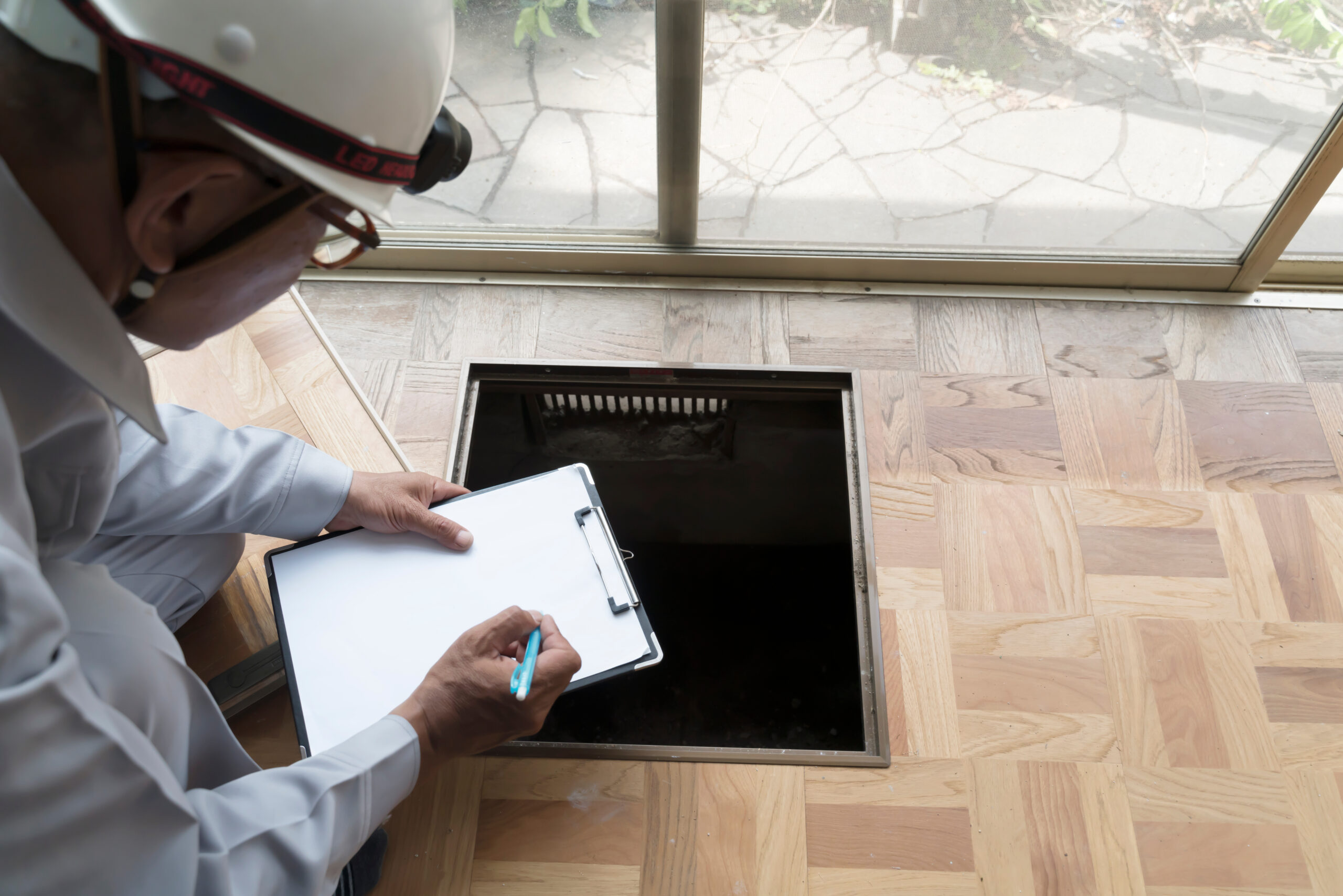
He was able to get in, do a complete thorough walkthrough, send samples off to the lab, and write a report up for us (that included a massive amount of broken down details), all before our option period ended.
Highly recommend using this company for anything, they definitely don’t disappoint!
He was able to get in, do a complete thorough walkthrough, send samples off to the lab, and write a report up for us (that included a massive amount of broken down details), all before our option period ended.
Highly recommend using this company for anything, they definitely don’t disappoint!

S P.
5 months ago
Ryan is amazing and has gone above and beyond my expectations. My apartment complex has been very difficult throughout me trying to have Ryan do his assessment. The first time Ryan came out to do the assessment we were blocked and denied access to my apartment. It was a horrible situation I wasn't expecting. Ryan was very professional and asked appropriate questions when we were denied access. Throughout this on going process with the apartments, Ryan has been so kind. He is never in a rush and answers all your questions. I'm so grateful for his knowledge and the advice he has shared throughout this process I'm going through. I hope I don't ever have to deal with mold again but if I do I know who to call and I would definitely recommend him to anyone.

Meagan Pierini
5 months ago
Ryan is incredible! I could not recommend Mold Test DFW more. He went above and beyond to fit me in last minute, was punctual, extremely knowledgeable and answered any questions I had. 10/10 service.

Jim S.
8 months ago
Ryan Rainey, the owner of Mold Test DFW, is amazing. We had him perform an inspection on a house we intend to purchase, and we are very happy with how he handled our need. After Ryan e-mailed the test results, he spent 45 minutes going over those results with us on the phone. Line by line he explained the problem, the solution, and the estimated cost, telling us along the way what was serious and what wasn't. He is the most thorough inspector I've ever dealt with on anything, and we recommend him to anyone with any type of mold issues. Thanks again, Ryan!!!

James Johnson
1 year ago
Ryan has been an absolute pleasure to work with. He’s consistently punctual, professional, and always goes the extra mile to make himself available even on short notice or clearance testing. His communication is clear and straightforward, and he always takes the time to explain exactly what needs to be done.
What really stands out is how easy he is to work with. Ryan makes the entire process smooth and stress-free. His attention to detail with paperwork is also top-notch—everything is always accurate, complete, and submitted promptly.
If you're looking for someone reliable, knowledgeable, and genuinely dedicated to their work, Ryan is the one to call. Highly recommended. United Water Restoration group Arlington, Texas Operations Manager, James Johnson
What really stands out is how easy he is to work with. Ryan makes the entire process smooth and stress-free. His attention to detail with paperwork is also top-notch—everything is always accurate, complete, and submitted promptly.
If you're looking for someone reliable, knowledgeable, and genuinely dedicated to their work, Ryan is the one to call. Highly recommended. United Water Restoration group Arlington, Texas Operations Manager, James Johnson

Curtis M
1 year ago
We had Mold Test DFW come out to test some dirty remediation equipment that another company had brought into our home after a water leak. I attached a few photos for reference so others can see what we were dealing with.
From the very beginning, Ryan was outstanding—he explained the testing process clearly, answered all of our questions, and made the entire experience stress-free. The appointment was scheduled quickly, and he arrived right on time with all of his professional equipment.
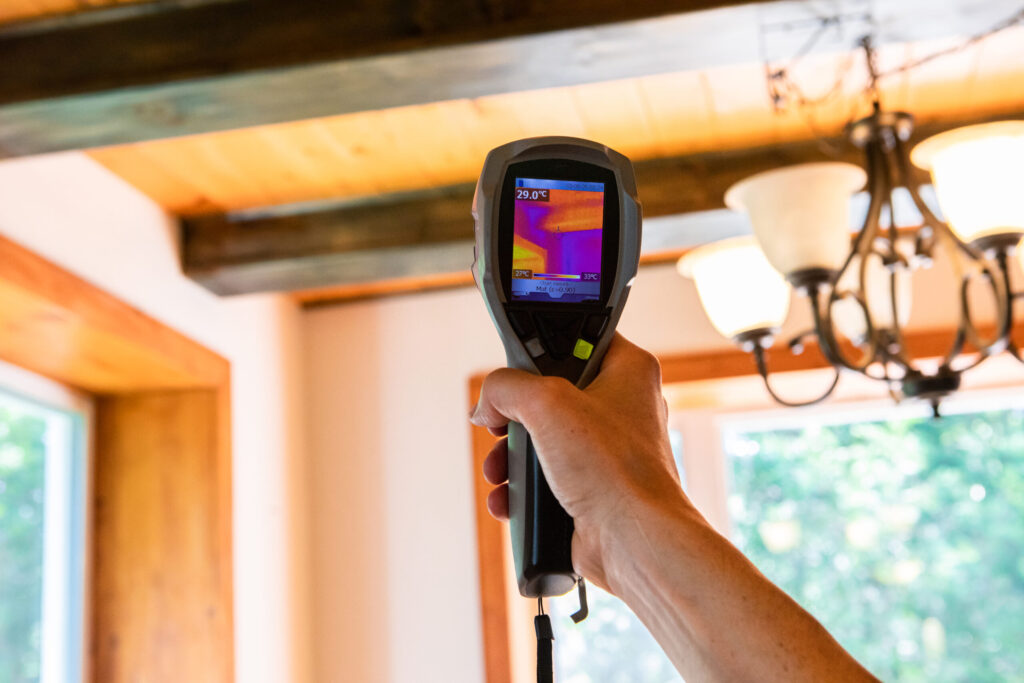
What really impressed us was how thorough and detail-oriented Ryan was. He didn’t just take air and surface samples—he explained each step of the process so we understood how the testing works and what the results would show. He was professional, respectful of our home, and very transparent about what he was doing.
Compared to other companies we’ve used in the past, Mold Test DFW was by far more honest and customer-focused. The final report was easy to understand, very comprehensive, and gave us peace of mind to move forward with the right remediation decisions.
If you need accurate, reliable, and trustworthy mold testing, I highly recommend Mold Test DFW. Ryan went above and beyond, and we’ll absolutely call them again in the future if we ever need testing.
From the very beginning, Ryan was outstanding—he explained the testing process clearly, answered all of our questions, and made the entire experience stress-free. The appointment was scheduled quickly, and he arrived right on time with all of his professional equipment.
What really impressed us was how thorough and detail-oriented Ryan was. He didn’t just take air and surface samples—he explained each step of the process so we understood how the testing works and what the results would show. He was professional, respectful of our home, and very transparent about what he was doing.
Compared to other companies we’ve used in the past, Mold Test DFW was by far more honest and customer-focused. The final report was easy to understand, very comprehensive, and gave us peace of mind to move forward with the right remediation decisions.
If you need accurate, reliable, and trustworthy mold testing, I highly recommend Mold Test DFW. Ryan went above and beyond, and we’ll absolutely call them again in the future if we ever need testing.